
Planning an educational field trip across Maine is an enriching experience for students, teachers, and parent chaperones alike. Whether your school is organizing a day trip to explore marine science at the Gulf of Maine Research Institute in Portland, stepping back in time at the Maine State Museum in Augusta, or embarking on a multi-day wildlife ecology adventure near Acadia National Park, student safety is always the top priority.
However, coordinating group transit for dozens of energetic students across New England’s diverse highways and rural coastal roads requires careful logistical planning. School administrators and field trip organizers must ensure that the private transportation provider they hire meets strict federal and state safety standards.
Using a comprehensive safety checklist when reserving a private vehicle guarantees that your student travel party travels securely, stays on schedule, and enjoys an inspiring educational outing from start to finish.
- The Ultimate Fleet: Choosing Your Ideal Ride
- Strategic Planning Across Key Maine Gateways
- Pro Strategies for a Flawless Group Arrival
- Day-of Field Trip Execution Checklist for Educators
- The School & Academic Calendar: Best Time to Plan Maine Field Trips
- Pro Travel Tips for Flawless New England Logistics
- Conclusion: Prioritize Safety for an Unforgettable Learning Experience
- Ready to Elevate Your School Field Trip Itinerary?
- Frequently Asked Questions
The Ultimate Fleet: Choosing Your Ideal Ride
Matching your vehicle configuration to the exact footprint of your travel party is the secret to a smooth New England journey. A premium private fleet offers diverse layouts designed to handle different group sizes, heavy luggage requirements, and regional highway distance needs. Choosing the right vehicle whether a spacious coach or a nimble van ensures your guests travel in upscale comfort from the runway to the resort.
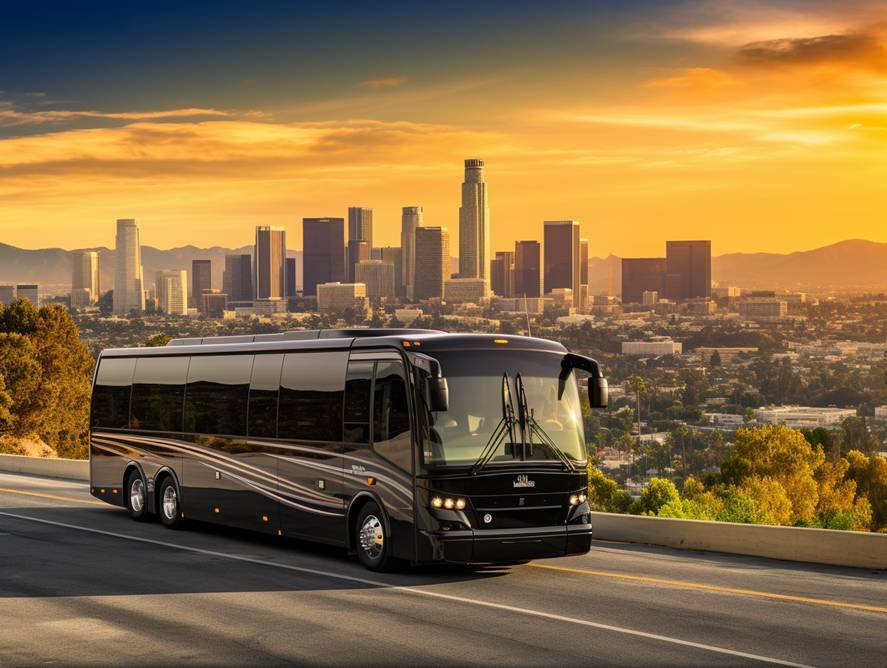
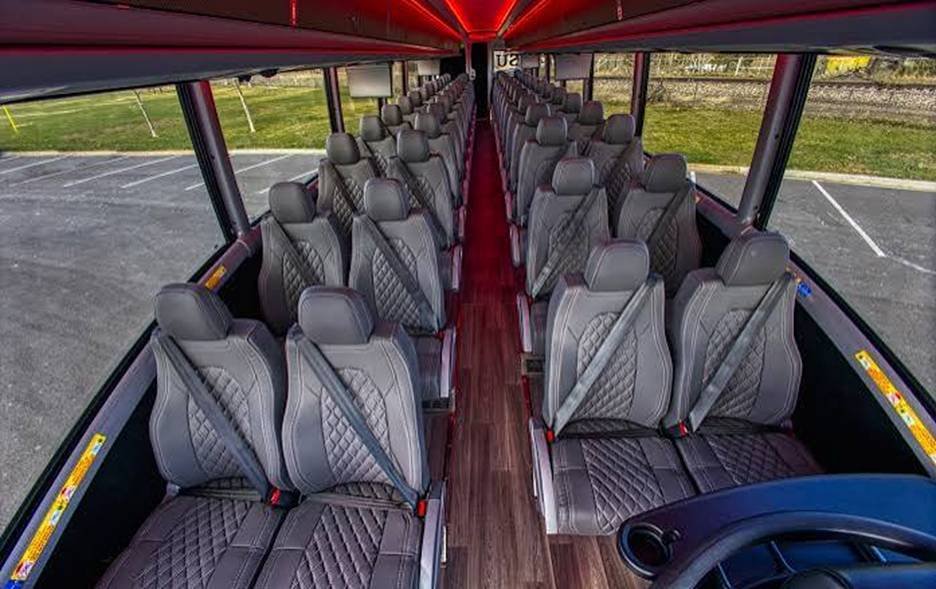
- The Command-Class Motor Coach (50–56 Passengers): As the high-capacity flagship of the regional fleet, this heavy-duty Motor Coach is built specifically for moving large school classes, preparatory academy grade levels, or multi-school athletic cohorts executing Long Distance field trips across the state. It features expansive under-carriage storage bays to comfortably hold student backpacks, lunch coolers, science equipment, and overnight luggage. Outfitted with essential amenities like an onboard restroom, individual climate controls, and plush seating, it keeps students comfortable and calm during multi-hour highway travel.
- The Executive Mini Coach (20–30 Passengers): Positioned perfectly for mid-sized travel groups, this luxury Mini Coach is the premier choice for specialized STEM clubs, student council committees, or regional debate teams heading to coastal exhibitions. It offers an exceptionally nimble and maneuverable layout that easily glides through dense city traffic, narrow historic district avenues, and busy school drop-off loops. This upscale vehicle strikes the absolute ideal balance between high-end passenger comfort and agile road performance, ensuring a premium, unified ride that keeps your student group completely clear of typical logistical headaches.
- The Elite Sprinter Van (10–14 Passengers): Tailored specifically for small academic competition teams, faculty advisory groups, or select administrative committees, a premium Sprinter Van functions as an agile and highly sophisticated mobile workspace. The interior boasts spacious extended headroom, individual device charging stations, and a quiet, low-vibration cabin environment that allows for effortless group communication and final study reviews before a event. Because of its compact and nimble footprint, it represents the smartest choice for rapid venue drop-offs or navigating tight municipal parking grids where massive buses cannot easily access.
Strategic Planning Across Key Maine Gateways
To guarantee your transit runs like clockwork, it is crucial to understand the distinct routes and specific challenges associated with the state’s primary travel hubs. A professional group transportation strategy accounts for everything from busy interstate merges to winding, two-lane coastal roads. Pre-mapping these unique transit corridors ensures your arrivals bypass local bottlenecks and reach their final destination smoothly.
- Portland International Jetport (PWM) Connections: For out-of-state educational groups or visiting academic delegations, landing at Portland’s primary air hub is the most convenient starting point. A dedicated airport transfer service bypasses chaotic public pickup lanes, greeting your student group directly in the commercial staging area with a pre-conditioned vehicle. This seamless transition keeps chaperones in total control of student headcounts while avoiding complex highway traffic merges around the Fore River bridges during peak morning hours.
- The Interstate 95 Educational Corridor: Transporting students between historic learning centers in southern Maine such as the Victoria Mansion in Portland and central hubs like Colby College Museum of Art in Waterville requires driving along I-95. A reliable Charter Bus rental serves as a safe mobile classroom during these interstate journeys, offering an ideal setting for pre-trip lectures. Professional drivers handle the fast-moving highway traffic so teachers can focus entirely on student supervision and engagement.
- Navigating Midcoast and Downeast Field Trip Routes: Field trips exploring the coastal ecosystems of Boothbay Harbor, Camden, or Bar Harbor often require navigating scenic but narrow coastal roads like U.S. Route 1. Seasonal bottlenecks around Wiscasset and tight turnarounds near state park entrances require experienced drivers who understand vehicle clearance and turning radii. Local professional chauffeurs manage these coastal routes effortlessly, ensuring your field trip timeline stays on track despite summer or fall tourist traffic.
- Cross-Border Regional Field Trips: Secondary schools in Maine frequently organize academic trips into neighboring New England states for museum exhibitions or historic site visits. Organizing a multi-state field trip with a specialized Group Transportation operator ensures complete compliance with federal interstate passenger carrier regulations. This provides school districts with certified insurance coverage and peace of mind while traveling far beyond county lines.
Pro Strategies for a Flawless Group Arrival
Executing a successful large-scale transport plan requires proactive coordination and a deep understanding of local seasonal demands. Keeping critical planning pillars in mind such as setting strategic transit buffers and booking well in advance ensures your logistics stay completely airtight. This proactive management guarantees a seamless curbside pickup, eliminating terminal stress and setting a prestigious tone for your entire New England itinerary.
- Book Your Fleet Well in Advance: Because the high-demand spring field trip season (April through June) coincides with peak regional tourism, quality charter operators sell out quickly. Securing your school’s private fleet 3 to 6 months in advance is essential to lock in competitive educational charter rates and guarantee your preferred vehicle size. Reserving early ensures your school district secures fully vetted, safety-certified vehicles long before regional demand surges.
- Integrate Key Airport Transfers: When hosting exchange students or visiting student groups arriving by plane, coordinating a structured airport transfer sets a reassuring tone for parents and educators. Professional drivers track incoming flights in real time to handle unexpected arrival delays, ensuring students are greeted promptly upon arrival. This eliminates student anxiety and avoids lost time in unfamiliar terminal zones.
- Build Strategic Transit Buffers: Unexpected highway maintenance, seasonal tourist slowdowns, and mandatory rest breaks can affect travel times along Maine’s primary highways. Always build a 30-to-45-minute time cushion into your field trip schedule to absorb road friction and allow time for organized student loading and unloading. Providing this buffer ensures your group arrives relaxed and ready for their scheduled museum entrance window.
- Plan Beyond the Field Trip Itinerary: The need for dependable group transit frequently extends past classroom field trips into a district’s broader social and academic calendar. Many educational institutions utilize these same trusted charter networks to coordinate continuous Corporate Shuttle loops for faculty conferences, university campus tours, or athletic team travel. Furthermore, schools and alumni groups often partner with charter providers for formal events, such as prom night shuttles or off-site wedding transportation for staff milestones.
Day-of Field Trip Execution Checklist for Educators
To keep your student travel group completely organized and running on schedule on the morning of departure, follow this simple operational guide:
- Conduct Pre-Boarding Roster Checks: Gather students in a centralized indoor staging zone (like the school gymnasium or cafeteria) 30 minutes before the bus arrives. Verify headcounts using designated chaperone group lists before walking out to the loading curb.
- Brief the Driver on Emergency Contacts: Hand your chauffeur a single-page document containing the field trip leader’s mobile number, the venue contact person, and the pre-planned route with scheduled rest stops along I-95 or Route 1.
- Manage Luggage and Gear Loading: Load heavy equipment, coolers, and large student backpacks into the under-carriage storage bays first. Ensure the interior aisle stays 100% clear of trip hazards to maintain safe emergency exits.
- Enforce Mandatory Seatbelt Rules: Before the driver puts the vehicle in drive, conduct a quick cabin walkthrough to verify every student and chaperone is buckled into their seat belt securely.
The School & Academic Calendar: Best Time to Plan Maine Field Trips
Timing your educational field trips across Maine requires balancing outdoor weather conditions with institutional schedules and venue availability. Planning around key seasonal windows ensures your students enjoy optimal conditions for outdoor exploration and indoor museum visits:
The Autumn Discovery Window (September to October)
Early autumn is an exceptional time for environmental science and history field trips across Maine. Weather conditions are pleasant, foliage provides a striking natural backdrop for outdoor ecology tours, and cultural venues are fully staffed. Booking your Charter Bus during early autumn allows students to participate in hands-on coastal sampling or living history exhibits before winter weather sets in.
The Late Spring Field Trip Surge (May to June)
May and June mark the traditional peak for year-end educational trips and outdoor field studies. As temperatures warm, school groups head to state parks, historic forts, and marine labs across the coast. Because demand for Group Transportation peaks during these months, reserving your fleet early guarantees your preferred dates and keeps your school’s end-of-year travel plans running smoothly.
Pro Travel Tips for Flawless New England Logistics
- Verify Federal Safety Ratings and Licensing: Before signing a contract or issuing a school deposit, confirm that your charter operator holds active operating authority from the Federal Motor Carrier Safety Administration (FMCSA). Ask the company for their USDOT number and cross-reference their safety rating online via the FMCSA SAFER database. Legitimate passenger carriers transporting 16 or more passengers must carry at least $5 million in public liability insurance and maintain a “Satisfactory” federal safety rating.
- Confirm Driver Qualification and Background Checks: Student transportation demands the highest standard of driver vetting. Ensure that your charter company enforces strict hiring protocols, including background checks, routine drug testing, and valid Commercial Driver’s Licenses (CDL) with Passenger (P) endorsements. In addition, verify that the driver adheres to strict Hours of Service (HOS) rules limiting driving time to 10 consecutive hours so your driver remains fully alert throughout long field trip journeys.
- Enforce Structured Chaperone and Student Roster Plans: Maintain complete control during loading and unloading by assigning specific chaperones to designated student groups before departure. Most school districts mandate a chaperone-to-student ratio of 1:10 for elementary trips and 1:15 for middle or high school groups. Equip every chaperone with a physical roster sheet containing student emergency contacts and medical notes, and perform headcounts before the bus leaves any rest stop or venue.
- Pre-Plan Mandatory Meal and Rest Stops: On long-distance trips exceeding two hours, factor planned rest stops into your itinerary at locations with adequate parking and restroom capacity. Inform your charter driver of these scheduled stops beforehand so they can identify safe highway plazas that easily accommodate full-sized motor coaches. Providing clear, structured rest stops keeps students comfortable and prevents unscheduled delays along the highway.
Conclusion: Prioritize Safety for an Unforgettable Learning Experience
Managing your school field trip logistics with a sharp focus on safety certifications, driver vetting, and structured planning ensures your students enjoy a secure, memorable educational adventure. Partnering with a professional charter provider gives educators peace of mind, knowing that highway travel, parking, and terminal logistics are handled by licensed professionals. Securing your safety-verified fleet well in advance protects your school district’s budget, guarantees your preferred vehicle configuration, and sets the stage for an inspiring New England learning experience.
Ready to Elevate Your School Field Trip Itinerary?
Don’t let transportation logistics compromise your school’s next major educational journey. Whether you need a compact Sprinter Van for an academic team competition, a sleek Mini Coach for a middle school science outing, or a high-capacity Motor Coach for a multi-grade museum field trip, our team delivers safe, reliable student travel solutions. Contact our group transit specialists today to receive a customized, safety-verified fleet quote for your school district. Let our experienced drivers manage Maine’s highways and venue drop-offs while your educators focus on delivering an exceptional learning experience.
Frequently Asked Questions
1. What is the most critical safety verification required when booking a school field trip bus?
The single most crucial step is verifying the carrier’s safety rating and USDOT operating authority through the Federal Motor Carrier Safety Administration (FMCSA). School districts should request the operator’s USDOT number and confirm that they maintain a “Satisfactory” federal safety rating with no out-of-service orders. Furthermore, interstate charter carriers transporting 16 or more passengers must hold a minimum of $5 million in commercial liability insurance.
2. How far in advance should a school district reserve a charter bus for spring field trips?
Because spring (April through June) is peak season for both school field trips and regional tourism in Maine, buses book out quickly. School administrators should reserve their private vehicles 3 to 6 months in advance. Booking early guarantees vehicle availability, secures preferred vehicle sizes, and protects the school’s budget from last-minute availability surges.
3. What vehicle type is best for an elementary school class trip to Portland or Augusta?
For a standard grade-level group of 40 to 50 students plus teachers and chaperones, a 56-passenger Motor Coach is the safest and most comfortable option. It provides ample under-carriage space for backpacks and lunches, contains an onboard restroom, and allows the entire group to travel together in a single, climate-controlled cabin.
4. Are charter bus drivers required to undergo background checks and safety training?
Yes. Professional charter bus drivers must hold a valid Commercial Driver’s License (CDL) with a Passenger endorsement, undergo regular medical evaluations, and pass routine drug and alcohol screenings. Leading charter providers also mandate thorough criminal background checks to ensure drivers meet state and school district safety standards for student travel.
5. Can a charter bus accommodate students with physical disabilities or mobility needs?
Yes, modern charter fleets offer ADA-compliant vehicles equipped with wheelchair lifts, wider aisles, and secure tie-down restraint systems. When requesting a quote, specify any accessibility requirements so the provider can assign an ADA-accessible vehicle that ensures all students travel comfortably alongside their peers.
6. What is the recommended chaperone-to-student ratio for charter bus field trips?
Most school district policies recommend a chaperone ratio of 1:10 for elementary school students and 1:15 for middle and high school groups. Assigning specific student lists to designated chaperones ensures orderly boarding, accurate headcounts at every stop, and proper supervision during travel.
7. How are long-distance driving hours regulated for student safety on field trips?
Federal regulations strictly limit passenger bus drivers to a maximum of 10 hours of driving time following 8 consecutive hours off duty. For long-distance field trips that exceed these daily driving limits, charter operators assign a second relief driver to switch shifts, ensuring continuous safety and alertness throughout the journey.
8. How do charter buses handle luggage, science gear, and meal coolers for school trips?
Full-sized motor coaches feature large exterior under-carriage storage bays that hold heavy items like coolers, sports equipment, and overnight duffel bags. Keeping large baggage out of the main passenger aisle ensures clear walking paths and maintains safe emergency exit corridors inside the cabin.
9. Can schools charter smaller vehicles like Mini Coaches or Sprinter Vans for specialized student groups?
Yes, schools frequently reserve a luxury Mini Coach (20–30 seats) or an executive Sprinter Van (10–14 seats) for smaller student contingents. These vehicles are ideal for academic competition teams, robotics clubs, or administrative cohorts who do not require a full-sized coach.
10. What happens if a field trip experiences an unexpected mechanical issue or highway delay?
Reputable charter companies maintain 24/7 dispatch operations and regional maintenance networks. In the rare event of a mechanical delay, the dispatch team initiates a roadside assistance protocol or dispatches a replacement vehicle from a nearby depot to resume your trip quickly and safely.