
Estimating the cost of your Maine group excursion is a vital step in ensuring your travel plans remain both seamless and financially manageable. From bustling airport transfers in Portland to Long Distance journeys through the scenic countryside, several variables including vehicle size, total mileage, and peak seasonal demand dictate your final quote. Choosing between a full-sized Motor Coach, a flexible Mini Coach, or a luxury Sprinter Van is the most significant decision, as it dictates both your group’s comfort level and the efficiency of your budget. It is crucial to remember that Maine’s peak summer and foliage seasons can drive up demand, making early booking essential for securing the best rates for your wedding transportation or corporate shuttle. Additionally, adding complex itinerary stops or requiring overnight travel can impact the bottom line, so maintaining a clear, detailed plan is key to receiving accurate estimates. By consolidating your guests into a single professional group transportation fleet, you effectively eliminate individual car rental costs and parking stressors, turning a necessary logistics expense into a value-added experience. Proactive communication with your charter provider ensures you avoid surprise fees and helps you build a transparent, stress-free budget for your entire Maine adventure.
Why Budgeting for Transportation Matters
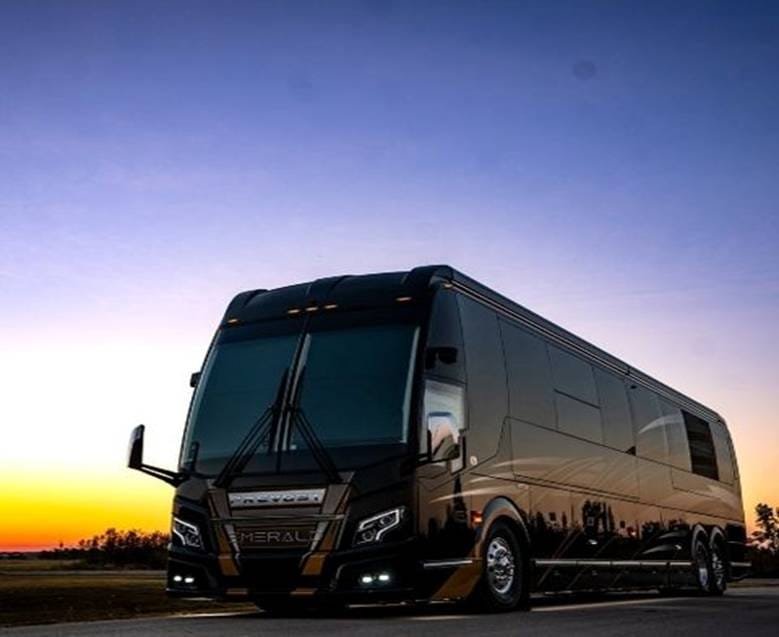
When planning a Maine getaway, it is easy to prioritize venue fees and catering while overlooking the critical role of transportation logistics. Failing to account for movement early on can transform a seamless itinerary into a logistical nightmare of scattered arrivals and ballooning travel costs. By budgeting for a professional charter service, you replace the unpredictability of ride-shares and individual rentals with a streamlined, cost-effective solution. This upfront planning not only guarantees your group stays together but also secures professional drivers who understand the local terrain. A well-managed transportation budget prevents last-minute financial surprises and ensures your transit is as comfortable as your destination. Ultimately, prioritizing this essential expense allows you to focus on the experience itself, knowing every detail of your journey is fully covered.
Key Factors That Influence Your Rental Price
Estimating the cost of your charter rental requires looking beyond just the base rental fee, as several logistical variables impact your final quote. By understanding these core elements, you can better navigate the options and avoid unexpected costs during your Maine trip. Clearly communicating these specific details to your provider ensures a transparent pricing structure that aligns perfectly with your group’s needs.
- Vehicle Capacity and Type: The size and luxury level of your chosen vehicle serve as the primary drivers of your total cost. A high-capacity Motor Coach involves different operating expenses than a premium Sprinter Van, so selecting the right fit for your headcount is essential. Choosing a vehicle that closely matches your group size prevents you from overpaying for empty seats while ensuring everyone travels in absolute comfort.
- Total Duration of the Trip: Costs are significantly impacted by whether your needs are limited to a short, local airport transfer or a multi-day, Long Distance excursion across the state. Hourly rates apply to shorter, local shuttle tasks, whereas longer journeys are typically calculated based on daily rates or total mileage. Being precise about your planned travel hours helps your provider offer the most accurate and competitive pricing for your specific itinerary.
- Peak Seasonality: Maine is a highly sought-after destination, meaning charter demand and consequently pricing fluctuates heavily based on the time of year. Summer months and the autumn foliage season see the highest demand, which can lead to limited availability and higher rates for your Group Transportation. Planning ahead and booking your reservation well in advance is the most effective way to secure the best pricing, especially for peak-season events.
- Itinerary Complexity: A straightforward, point-to-point trip is inherently more affordable than an intricate schedule featuring multiple stops, complex routing, or varying pickup points throughout the day. Your provider must factor in the time and logistics required for each additional stop, including staging areas and parking at various locations. A well-organized, clear itinerary allows you to minimize these additional costs by making your transit route as efficient as possible.
Choosing the Right Vehicle for Your Budget
Selecting the perfect vehicle is the most impactful way to balance luxury, capacity, and your bottom line for your Maine excursion. By matching the specific requirements of your event to the most efficient transportation option, you ensure total comfort without overpaying for unnecessary space. This strategic approach to vehicle selection simplifies your logistics and helps you maintain a clear, professional, and cost-effective budget throughout your entire trip.
The Motor Coach (50–56 Passengers)
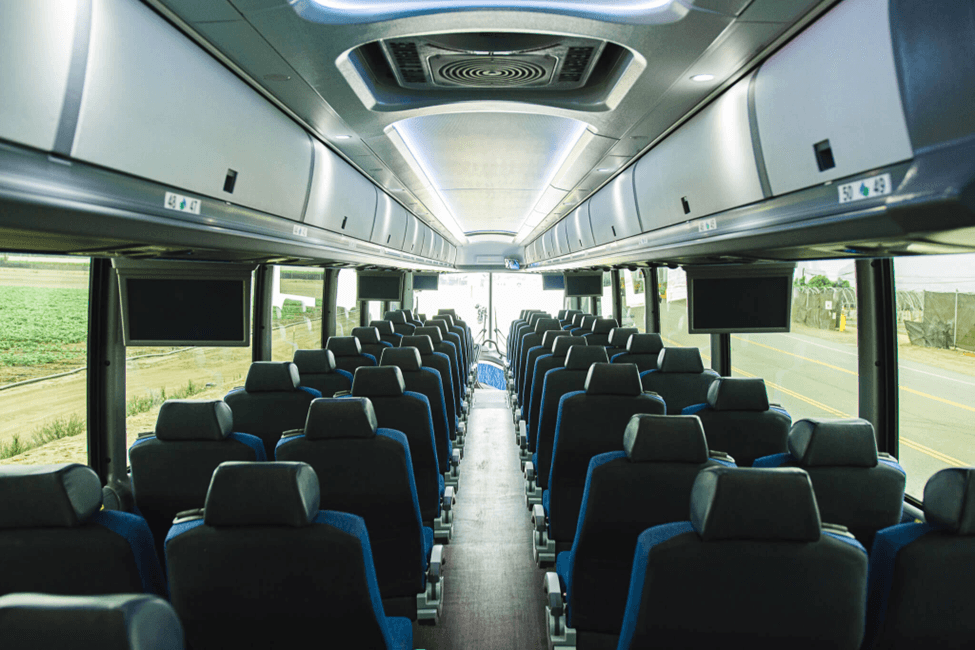
This large-scale solution is the ultimate choice for massive events like expansive wedding transportation or major corporate retreats that require moving many people simultaneously. While it carries a higher base rental cost, the per-person rate becomes extremely economical when you maximize the passenger capacity of the coach. Its extensive under-carriage storage is perfect for managing heavy luggage, equipment, or wedding supplies, making it the gold standard for long-distance group travel.
The Mini Coach (20–30 Passengers)
Offering a versatile middle-ground, this vehicle is ideal for mid-sized groups that need to navigate more intimate settings, such as historic downtown streets or smaller event venues. It provides significant comfort and professional amenities while remaining much more agile and easier to park than a full-sized bus. Choosing this option is an excellent way to maintain a high level of passenger luxury while reducing the physical footprint of your group transportation fleet.
The Sprinter Van (10–14 Passengers)
This is the premier selection for VIP travel, small wedding parties, or an executive corporate shuttle where intimacy and premium service are the top priorities. It offers an upscale, private atmosphere with top-tier seating and entertainment systems, functioning like a mobile lounge for your closest guests. Because it is highly maneuverable and fuel-efficient for smaller groups, it is often the most cost-effective way to provide a luxury experience for your high-priority travelers.
Seasonal Breakdown
Summer (June – August):
- Experience: This is the most popular time for a classic coastal vacation, offering warm, sunny weather perfect for hiking, kayaking, whale watching, and lobster bakes.
- Pros/Cons: You will experience the most consistently nice weather, but it is also the peak tourism season, meaning higher accommodation costs and more crowded attractions.
Fall (September – October):
- Experience: Widely considered by many to be the best time to visit. Early September offers warm weather with fewer crowds, while October is the prime window for vibrant fall foliage, especially in areas like Acadia National Park.
- Pros/Cons: You can enjoy milder temperatures, cheaper lodging than in the summer, and incredible scenery. Note that some seasonal businesses may begin to reduce hours or close by late October.
Spring (April – May):
- Experience: A quieter, more affordable time to visit before the summer rush. It is a great time for city breaks or exploring coastal towns, though weather can be unpredictable.
- Pros/Cons: You may encounter “mud season” in April, and some seasonal businesses might not be fully open until mid-May. Be aware that mid-May to mid-June can be active for black flies in some areas.
Winter (December – March):
- Experience: Ideal for those who love winter sports like skiing or want to see the state as a “winter wonderland”.
- Pros/Cons: It is very affordable and peaceful, though much of the state is quite cold.
Essential Budgeting Tips for Maine Travel
Implementing a few strategic planning habits can significantly streamline your group transit costs while enhancing the overall quality of your Maine visit. By focusing on efficiency, timing, and clear communication, you can maintain a comfortable budget without compromising the reliability of your professional transport service.
- Consolidate Your Schedule: Plan your daily activities to group locations geographically, which helps minimize “deadhead” time the empty travel time between your base and pickup locations. Reducing the distance your vehicle travels without passengers is one of the most effective ways to lower your total expenditure. A streamlined, efficient route ensures you are paying for actual service time rather than unnecessary transit hours.
- Plan Your Airport Transfers in Waves: Coordinate your guests’ arrival times into specific, tight blocks rather than arranging numerous individual pickups throughout the day. Deploying a single Mini Coach or Motor Coach to greet a large group at once is significantly more cost-effective than scheduling multiple fragmented transfers. This approach maximizes the utility of each vehicle trip while creating a welcoming and organized start to your group’s Maine adventure.
- Book Early, Especially for Weddings: Maine’s high demand during peak wedding and foliage seasons makes early reservation essential to secure both your preferred vehicle and competitive pricing. Securing your wedding transportation contract 6–12 months in advance protects your budget from the inevitable price spikes associated with last-minute demand. Booking early ensures you lock in your rates before the most popular vehicles in our fleet are fully reserved.
- Be Clear About Overnight Needs: If your Long Distance itinerary requires the driver to stay overnight, remember to factor their lodging and meal costs into your comprehensive travel budget. These expenses are standard requirements for multi-day charters and should be accounted for to ensure total transparency in your final quote. Planning for these essential driver requirements upfront prevents any mid-trip financial surprises and keeps your operational costs clear from the beginning.
How to Get an Accurate Quote
To receive the most precise and competitive pricing for your charter needs, being proactive with your logistics is essential. Providing your transport partner with comprehensive details upfront allows them to craft an itinerary that is both efficient and cost-effective for your specific event.
- Exact Headcount: Providing an accurate passenger count is the most critical step, as it directly dictates the size and type of vehicle reserved for your trip. An accurate number prevents you from paying for a massive vehicle when a smaller option would suffice, or conversely, ensures you do not end up with an undersized bus that cannot fit your group safely. Always account for every traveler to ensure the correct capacity is scheduled from the very start.
- Date and Time: Clearly state the exact dates of your trip and provide specific start and end times for all required transportation services. Precise scheduling allows your provider to account for driver hours and vehicle availability, which are vital components of your final cost structure. Being specific about your timeline ensures the charter service can plan for necessary rest periods and avoid any unforeseen overtime charges.
- Detailed Itinerary: Submit a comprehensive document that includes every intended stop, all primary pickup locations, and final drop-off points for the entire journey. A clear, mapped-out route helps the provider accurately calculate total mileage and anticipated travel times, both of which are major factors in your total price. Providing this level of detail upfront helps you avoid extra fees for route changes or unplanned detours during your event.
- Special Requirements: Be sure to disclose any unique needs, such as the requirement for extra luggage space for a wedding or specialized accessibility features for guests with mobility challenges. Informing your provider about these necessities ensures that the vehicle assigned to your group is fully equipped to handle your specific situation. Transparent communication regarding these requirements helps the charter company provide the best possible service while maintaining your established budget.
Conclusion: Making Informed Decisions
Budgeting for Group Transportation is a manageable process when you approach it with a focus on group size, itinerary duration, and your specific event requirements. By identifying the key variables that influence pricing—such as peak seasonal demand and routing complexity you can plan a Maine excursion that remains both spectacular and financially responsible. Whether you are coordinating a seamless Corporate Shuttle to impress clients or a reliable Charter Bus to bring your family together for a vacation, proactive planning acts as your most valuable asset. Remember that you are investing in more than just a vehicle; you are purchasing the professional safety, convenience, and local expertise that make your time in Maine truly special. Taking the time to build a transparent budget allows you to eliminate the stress of logistics and focus entirely on the success of your event. We encourage you to start the planning process early by visiting our website to explore your options. With the right vehicle, such as a Motor Coach, Mini Coach, or Sprinter Van, your journey is destined to be a smooth and memorable success. Informed decision-making today guarantees a stress-free travel experience for your entire group tomorrow.
Ready to get started? Visit charterbusmaine.com to begin your planning process. With the right vehicle and a well-thought-out budget, your Maine adventure is destined to be a smooth, memorable success.
Frequently Asked Questions
1. What is the most cost-effective way to transport a large group in Maine?
For large groups, a 56-passenger Motor Coach is often the most cost-effective solution when the cost is divided by the total number of passengers.
2. How do seasonal trends affect my charter bus quote?
Maine experiences high demand during the peak summer months (July–August) and the autumn foliage season (late September–October), which typically leads to higher pricing and limited availability.
3. What is “deadhead” time and how does it affect my budget?
Deadhead time refers to the time a vehicle spends traveling empty to reach your pickup location or return to its base; minimizing this by planning efficient routes helps reduce your overall costs.
4. Are driver lodging and meals included in the quote?
For multi-day or Long Distance trips, you are generally expected to cover the driver’s overnight accommodation and meal costs, which should be factored into your total budget.
5. How much space does a Sprinter Van have for luggage?
While a Sprinter Van is excellent for luxury and comfort for 10–14 passengers, it has less luggage capacity than a Motor Coach, so it is best suited for groups with lighter travel needs.
6. Can I get a quote for a multi-stop itinerary?
Yes, but keep in mind that a complex itinerary with multiple stops, overnight stays, or changing routes will be priced differently than a simple point-to-point airport transfer.
7. Why should I book my wedding transportation months in advance?
Booking 6–12 months ahead protects you from fluctuating seasonal costs and ensures your preferred vehicle whether a Mini Coach or a larger bus is reserved for your specific date.
8. Do I need to worry about parking if I rent a charter bus?
One of the major benefits of Group Transportation is that it eliminates individual parking fees and the stress of finding parking at popular Maine venues.
9. What information is required to get an accurate price estimate?
To receive a precise quote, you should provide your exact passenger headcount, specific date and time, a detailed itinerary with all stops, and any special accessibility requirements.
10. Is a shuttle service viable for corporate retreats?
Absolutely. A Corporate Shuttle provides a professional, reliable, and efficient way to transport team members between conference venues, hotels, and airports throughout your retreat.