
Coordinating logistics for an athletic department requires balancing player safety, strict game-day timelines, and tight athletic budgets. From managing local airport transfers for incoming tournament recruits to navigating Long Distance road trips across the state, transportation can make or break a team’s performance. Choosing the right vehicle whether it is a high-capacity Motor Coach with under-carriage gear bays, a versatile Mini Coach, or an agile Sprinter Van is the most critical decision an administrator can make. Maine’s distinct seasonal shifts and unique geography mean coaches must factor in unexpected tourist traffic or winter weather when mapping out arrival times. Relying on an organized, professional group transportation fleet rather than a chaotic caravan of parent volunteers creates a unified “rolling locker room” environment where athletes can focus and strategize. It also functions flawlessly as a reliable corporate shuttle for moving scouts, staff, and boosters between facilities during showcase weekends. Furthermore, early booking is essential to protect your department’s budget from seasonal price surges during peak championship months. Ultimately, investing in professional transit ensures your roster arrives relaxed, healthy, and completely ready to bring home a victory.
- Why Professional Group Transportation Wins the Game
- Choosing the Right Fleet Vehicle for Your Roster
- Key Logistics Tips for Athletic Administrators
- Planning Beyond the Regular Season
- Choosing the Best Season for Your Team’s Road Trip
- Essential Travel Tips for Sports Teams in Maine
- Lock In Your Team’s Winning Strategy Today
- Conclusion: Set Your Team Up for a Win
- Frequently Asked Questions
Why Professional Group Transportation Wins the Game
Relying on a caravan of volunteer drivers or rental minivans introduces too many variables that can easily disrupt your team’s game-day focus. Investing in a professional charter service keeps your entire roster, coaching staff, and athletic trainers together in one controlled, reliable environment. This unified travel experience creates a “rolling locker room” where coaches can review game film, discuss strategy, and foster crucial team chemistry on the road. Furthermore, leaving the logistics to a certified, professional driver ensures that your players are completely insulated from traffic stressors and navigation headaches. By prioritizing efficient travel, you guarantee your athletes arrive at the venue relaxed, on time, and mentally prepared to bring home a victory.
Choosing the Right Fleet Vehicle for Your Roster
Matching your team’s specific roster size and gear requirements to the perfect vehicle is essential for maximizing comfort and budget efficiency. Rather than overpaying for empty seats or cramming equipment into tight spaces, selecting a tailored fleet option streamlines your entire athletic road trip. Below are the top vehicle choices that ensure your players and staff travel in total comfort and arrive completely game-ready.
- The Motor Coach (50–56 Passengers): This high-capacity vehicle serves as the ultimate transport solution for large-scale sports teams like football, track and field, or lacrosse. A traditional Motor Coach offers expansive under-carriage storage bays, which are absolutely vital for holding heavy equipment bags, coolers, training tables, and protective gear. It also features essential amenities like an onboard restroom and climate control, making it the premier choice for Long Distance road trips across state lines.
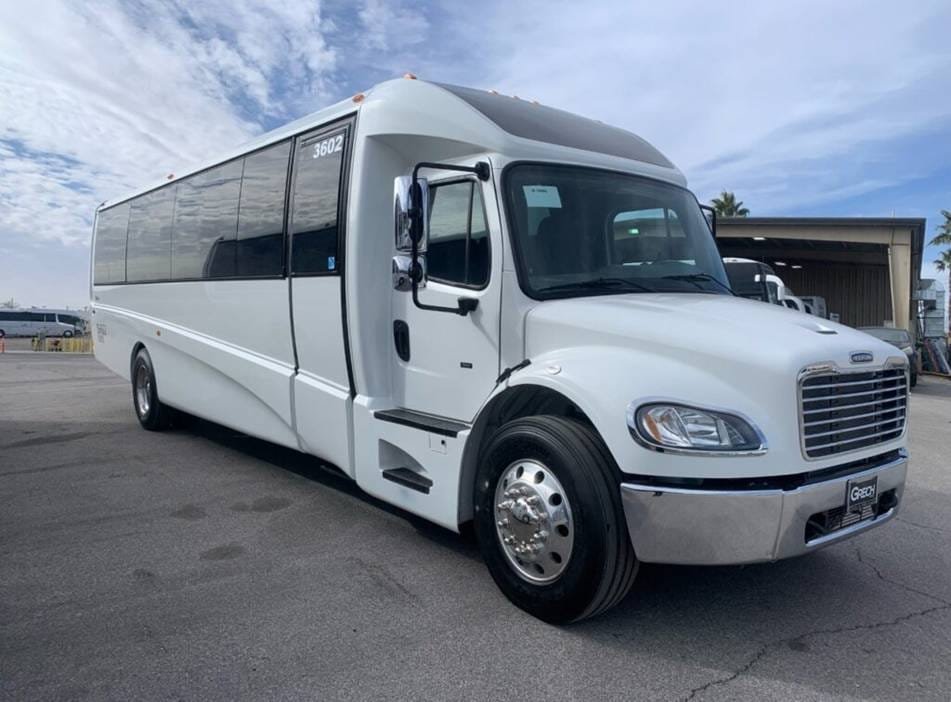
- The Mini Coach (20–30 Passengers): Ideal for mid-sized athletic rosters such as basketball, soccer, or volleyball teams, this vehicle offers a highly agile transport solution. A Mini Coach easily navigates tighter high school parking lots, campus facilities, and historic town centers while still providing ample overhead storage for standard gym bags and gear. Choosing this option allows your program to maintain a high level of passenger luxury and team unity while significantly reducing overall travel expenses.
- The Sprinter Van (10–14 Passengers): The perfect option for smaller specialty sports teams like golf, tennis, or cross-country runners, as well as scouting staff. A premium Sprinter Van provides an upscale, private environment for small groups, acting as a comfortable mobile lounge on the road. Because it is highly fuel-efficient and exceptionally easy to maneuver, it is the most cost-effective choice for quick regional trips or rapid airport transfer tasks for incoming recruits.
Key Logistics Tips for Athletic Administrators
Managing the logistics of a sports team travel schedule requires careful foresight to keep your season running smoothly. By addressing equipment space, transit buffers, and arrival timelines early on, you can eliminate game-day stress for coaches and players alike. These strategic planning habits ensure your athletic department maintains total efficiency, whether you are coordinating local tournaments or out-of-state matchups.
1. Account for Massive Gear and Luggage Space
Sports teams travel heavy, meaning uniforms, protective pads, medical kits, and specialized training equipment can quickly overwhelm a standard passenger vehicle. When booking your charter, always communicate your exact equipment load to your provider to ensure you get a bus with proper storage. If your roster size technically fits a smaller bus but your gear load is massive, upgrading to a vehicle with under-carriage bays is non-negotiable for a comfortable ride.
2. Streamline Airport Transfers for Tournaments
If your team is flying into the region for an away game or a major tournament, coordinating ground transit from the terminal is your first major hurdle. Booking a designated charter bus for an airport transfer ensures a smooth transition, as your vehicle will be waiting at the curb the moment your team touches down. This approach eliminates the chaotic downtime of waiting for multiple individual rides and allows your team to head straight to the venue together.
3. Build a “Maine Buffer” Into Your Game-Day Timeline
Heavy traffic bottlenecks, construction zones, or navigating unfamiliar rural routes can easily throw off a tight pre-game timeline. Always build a 20-to-30-minute buffer into your travel schedule to protect your team from unexpected road delays along the way. Giving your athletes this extra breathing room ensures that a minor traffic jam won’t force them to rush through their critical stretching routines and warmups.
4. Create a Dedicated Corporate Shuttle for Recruiting & Events
When hosting showcase tournaments, scouting events, or athletic alumni weekends, transport logistics extend well beyond your active roster. Operating an efficient Corporate Shuttle system allows you to transport scouts, VIP donors, and incoming recruits seamlessly between the host hotel and your campus sports facilities. This high level of organization keeps your entire schedule on track and reflects professionally on your athletic department as a whole.
5. Prioritize Player Comfort and Recovery
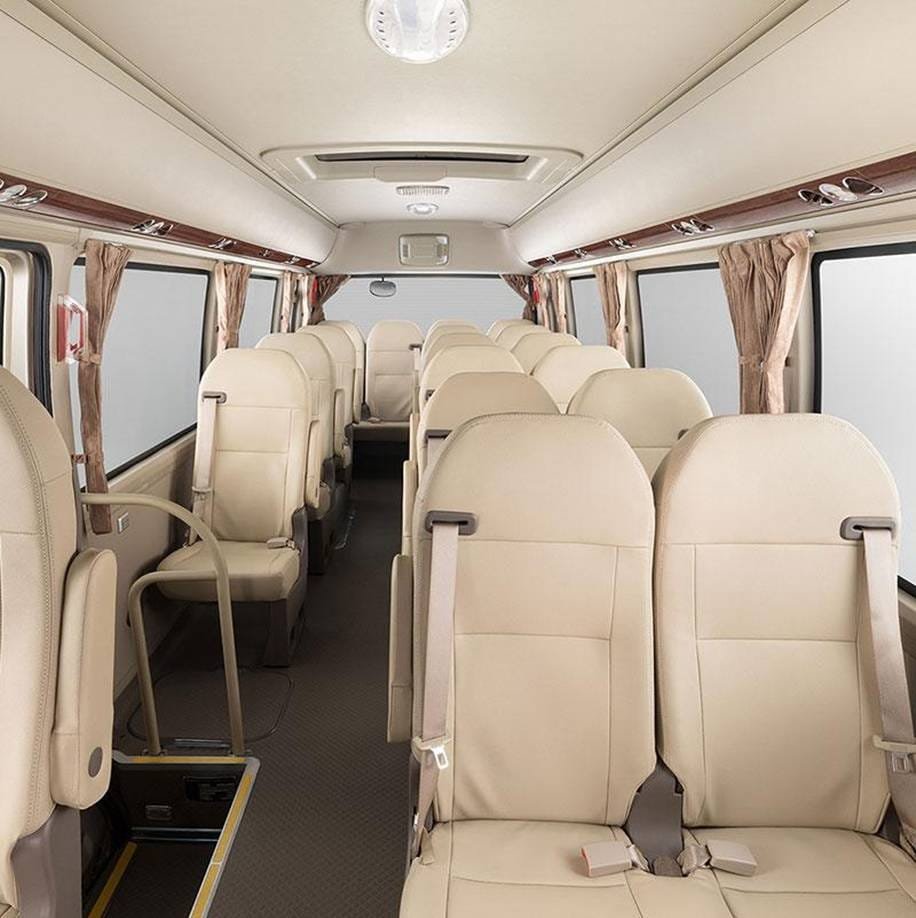
A long road trip can take a physical toll on an athlete’s body, causing muscle stiffness before a big game. Modern charter vehicles combat this by offering premium amenities designed for physical recovery. High-back reclining seats give taller players plenty of legroom to stretch out, while climate-controlled cabins keep athletes warm in the winter and cool during humid summer tournaments. Onboard Wi-Fi and power outlets also allow players to stay on top of their schoolwork or listen to their pre-game playlists.
Planning Beyond the Regular Season
As teams advance into postseason brackets or transition into off-season development programs, travel demands naturally evolve. Administrators must think ahead to manage the unique logistics that come with extended tournament stays, remote camps, or formal athletic celebrations. Adjusting your transportation strategy for these special events ensures your athletic program maintains its professional standard and stays well within its seasonal budget.
- Championship Tournaments: Postseason play often requires teams to stay in centralized locations for multi-day periods, introducing complex daily schedules. To keep your team organized, ensure your charter contract accounts for local shuttle services that can run continuously between the team hotel, practice fields, and the main tournament venues. Having a dedicated vehicle stationed at your disposal gives coaches the flexibility to adjust schedules on the fly based on game outcomes.
- Off-Season Retreats & Training Camps: Heading to a remote training facility or rustic team-building lodge in northern Maine requires a vehicle capable of navigating varied geography. A heavy-duty charter coach is the safest and most reliable way to transport large groups over unfamiliar rural terrains, steep inclines, or unpaved facility access roads. Relying on a professional operator for these off-season excursions ensures maximum safety while keeping the focus entirely on team bonding and physical conditioning.
- Athletic Banquets and Weddings: The need for dependable group transit extends beyond the competitive calendar and into your program’s formal social events. Many athletic departments utilize a versatile Mini Coach or fleet of vans to safely transport players, families, and athletic staff to year-end award banquets and formal galas. Additionally, former teammates frequently utilize these same trusted charter networks to coordinate wedding transportation when celebrating a graduation or a teammate’s big milestone down the road.
Choosing the Best Season for Your Team’s Road Trip
When you are coordinating sports team travel, the “best” time to visit Maine depends completely on your competitive calendar. Because athletic seasons run year-round, your transportation strategy needs to adapt to the unique road conditions and seasonal demands of the Pine Tree State.
Fall Season (September – November)
- The Sports Scene: Peak season for high school and collegiate football, soccer, volleyball, and cross-country tournaments.
- The Travel Reality: This coincides with Maine’s spectacular autumn foliage tourism. Routes around popular areas like Acadia or mid-coast athletic complexes will experience heavier traffic.
- Administrator Tip: Because leaf-peepers flock to the state, fleet availability is tight. Secure your Group Transportation contracts 6–12 months in advance to lock in your game-day vehicles.
Winter Season (December – March)
- The Sports Scene: High-stakes basketball tournaments, indoor track meets, and competitive skiing or ice hockey matches.
- The Travel Reality: Maine winters bring heavy snowfall and icy coastal winds. Highway driving requires maximum caution and heavy-duty vehicles.
- Administrator Tip: This is the most crucial time to ditch parent carpools. A heavy-duty Motor Coach handles snowy winter terrain safely, ensuring your players stay warm, safe, and physically loose in a climate-controlled cabin.
Spring & Summer Season (April – August)
- The Sports Scene: Baseball, softball, lacrosse, track finals, and off-season training camps or showcase recruitment tournaments.
- The Travel Reality: Late spring brings unpredictable “mud season” weather, while summer ushers in the absolute peak of coastal tourism and high lodging prices.
- Administrator Tip: If you are coordinating an airport transfer for incoming summer recruits or traveling for a regional tournament, expect congested coastal roads. Always build a 30-minute buffer into your timeline so your athletes never have to rush their warmups.
Essential Travel Tips for Sports Teams in Maine
Executing a successful away game or tournament requires a travel strategy that supports your players from the moment they step onto the bus until they hit the field. By integrating smart logistics with a comfortable travel environment, athletic administrators can directly contribute to their team’s competitive advantage.
- Assign a Clear Chain of Command: Designate specific coaches or adult chaperones to take absolute charge of individual tasks, such as managing the hotel check-in process or directing the vehicle boarding lines. Clearly communicating who is responsible for each logistical segment to players and families eliminates chaotic miscommunications during transit. This organized structure keeps the entire travel party disciplined, accountable, and entirely on schedule throughout the trip.
- Enforce Strict Digital Accounting: Require every athlete, assistant coach, and chaperone to save the athletic director’s primary contact number and trade phone numbers with multiple teammates before departure. Maintain secure, accessible digital files containing updated medical emergency contacts, allergy lists, and personal medication requirements for every single traveler on your roster. This high level of connectivity ensures that your program can respond instantly and cohesively to any unexpected schedule adjustments or personal emergencies.
- Capitalize on In-Transit Tech: Utilize your vehicle’s onboard flat-screen TV monitors and built-in speaker systems to conduct valuable pre-game strategy reviews or analyze opponent film while en route to the venue. Coaches can maximize this focused travel time to iron out tactical adjustments, coordinate player roles, and pump up the team’s overall competitive spirit. Using these premium features transforms standard transit hours into an active, productive extension of your training facility.
- Pack Emergency Roster Provisions: Always load a dedicated, fully stocked medical first-aid kit alongside a massive supply of healthy road snacks, water, and hydration coolers into the main cargo hold. Having independent food and medical supplies readily available protects your athletes from becoming stranded or hungry during unexpected road delays on isolated rural routes. These proactive provisions guarantee your players stay properly fueled and physically comfortable, no matter what happens on the highway.
Lock In Your Team’s Winning Strategy Today
Ready to elevate your athletic program’s travel strategy and set your team up for a definitive win? Skip the chaos of fragmented carpools and unreliable ride-shares by locking in a premium, professional transit solution with us today. Whether you need a spacious fleet of traditional buses for a high-capacity roster or a nimble van for an elite scouting trip, we handle the logistics so you can focus entirely on the game. Visit charterbusmaine.com right now to request your customized team travel quote and secure your season’s dates. Let our experienced drivers navigate the roads while your athletes stay relaxed, focused, and ready to dominate the competition!
Conclusion: Set Your Team Up for a Win
In the high-stakes world of competitive athletics, precise preparation on and off the field is what ultimately separates a good team from a championship program. Managing logistics with a focus on roster size, gear storage, and rigid timelines ensures your athletes can bypass travel stressors and focus purely on the game. Choosing the ideal vehicle configuration whether it is a high-capacity Motor Coach for heavy gear, a flexible Mini Coach, or a premium Sprinter Van for small travel parties is the foundation of a successful road trip. Maine’s unique geographic routes and changing seasons demand an organized transport strategy that parent carpools simply cannot provide. Investing in a professional Charter Bus network functions like a “rolling locker room,” boosting team unity and giving coaches an active space to review game-day film. Furthermore, a reliable fleet can serve as an elegant wedding transportation option for former teammates or an efficient corporate shuttle for moving tournament scouts and athletic boosters between facilities. Taking the time to build a transparent, early budget eliminates the administrative headaches of planning, allowing your coaching staff to concentrate on their tactical playbook. Secure your team’s transit early to lock in competitive pricing, insulate your athletic department from last-minute stress, and guarantee a winning travel experience for your entire roster.
Frequently Asked Questions
1. Why is a charter bus better than carpooling for sports teams traveling to Maine?
A charter bus keeps your entire roster and coaching staff together, eliminating the risk of staggered arrivals, lost drivers, or traffic delays disrupting your pre-game warmup schedule.
2. Which vehicle is best for teams with massive amounts of athletic gear?
A full-sized Motor Coach is highly recommended for equipment-heavy teams, as it features expansive under-carriage storage bays specifically designed to hold heavy gear bags, coolers, and training tables safely.
3. Can small sports teams or coaching staffs book a more compact vehicle?
Yes, smaller athletic rosters, golf teams, or cross-country runners can utilize a versatile Mini Coach or a premium Sprinter Van to balance fuel efficiency with high-end player comfort.
4. How does renting a charter bus enhance player performance and recovery?
Modern charter buses provide climate-controlled cabins, high-back reclining seats with extra legroom to prevent muscle stiffness, and onboard Wi-Fi to keep athletes relaxed and focused on game day.
5. How do Maine’s unique road structures affect our travel timeline?
Many regional routes consist of single-lane highways prone to heavy seasonal tourist bottlenecks, which is why athletic directors should always build a 20-to-30-minute buffer into their game-day arrival schedule.
6. Can you coordinate ground transportation directly from the airport terminal?
Absolutely. You can schedule an efficient airport transfer from major hubs like Portland International Jetport (PWM) or Boston Logan (BOS) so your bus is waiting at the curb the moment your team touches down.
7. Do you provide ongoing shuttle services for multi-day tournament weekends?
Yes, our customizable transport packages can include continuous Corporate Shuttle styles or team loops running between your host hotel, local practice facilities, and tournament venues all weekend long.
8. Are charter buses safe for navigating northern Maine’s rural roads during off-season camps?
Yes, our certified professional drivers are highly experienced in managing diverse terrains, providing the safest possible transit option for your team during off-season training retreats.
9. What details do school administrators need to provide to secure an accurate quote?
To get a precise estimate, you should provide your exact roster headcount, an estimated volume of athletic gear, precise pickup/drop-off times, and a detailed itinerary of all game-day stops.
10. How far in advance should an athletic department book transportation for seasonal play?
To guarantee vehicle availability and protect your athletic department’s budget from peak seasonal price surges, it is best to secure your transport contract 6 to 12 months in advance.